








A new pool standard for objective comparison
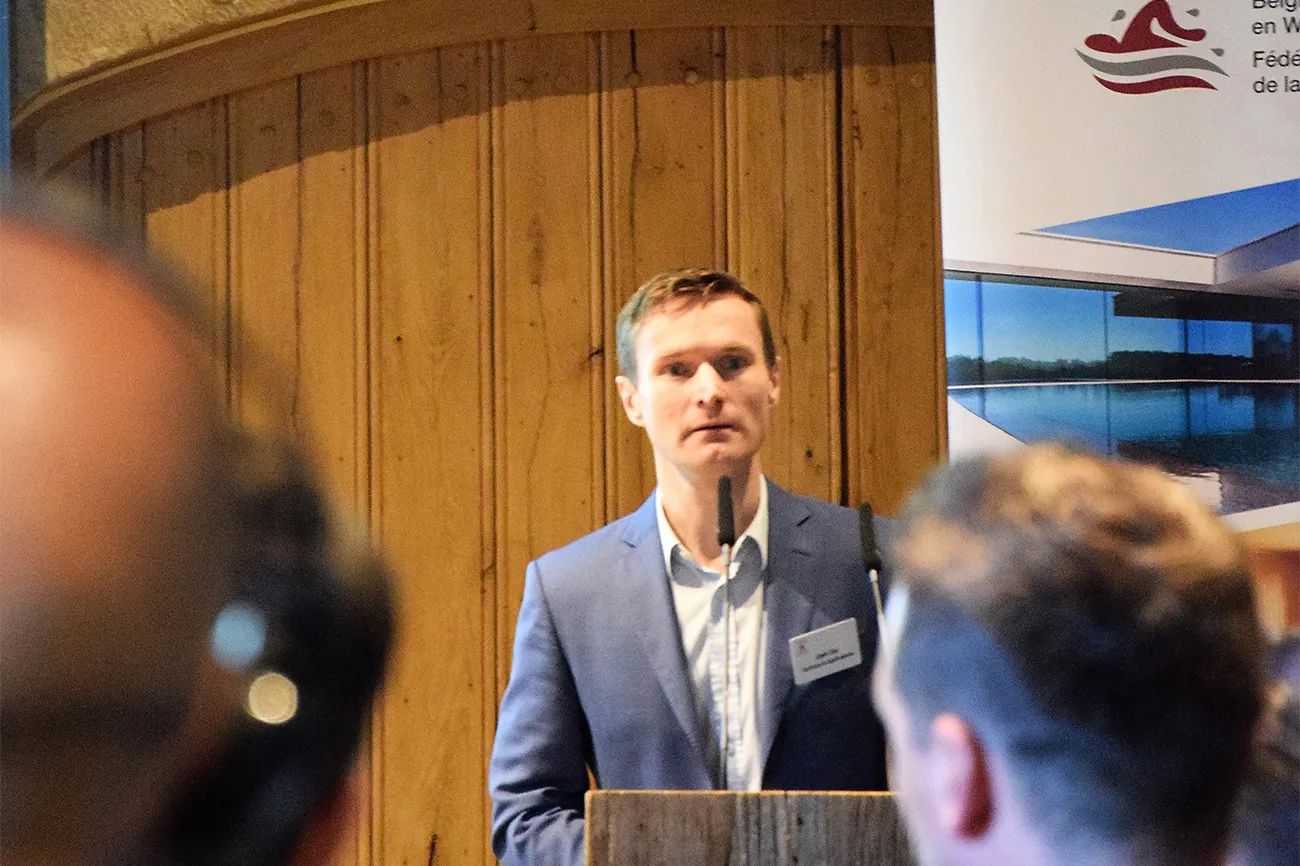
An engaging presentation on the new EN 17645 standard opened the informative programme at the annual meeting. The standard includes a range of parameters, calculations and indices for identifying the environmental performance of private swimming pools. This makes it possible to compare systems and products from different manufacturers objectively. Armed with this information and your advice, clients can make even more informed and targeted choices.
The new pool standard was drawn up by technical committee CEN/TC 402, which is responsible for private swimming pools and spas. It is not mandatory, but the Fédération Belge des Professionnels de la Piscine et du Bien-Être recommends it. Joeri Dils, president: “In France and Germany, this kind of approach has become established practice. The standard was drawn up in the spirit of the Green Deal. As a trade association, we want to take a more proactive approach. Developing a standard that is practical and easy to implement allows us to prevent unreasonable rules that threaten the sector from emerging.” The standard aims to identify and measure environmental performance, and to compare offerings across the market. It is intended to deliver savings in energy and water, reduce noise and splashing, and more. It applies to private outdoor swimming pools during the swimming season (April to September) and specifies a number of preconditions, such as a water temperature of 25°C, an air temperature of 10°C and a ground temperature of 5°C. “These preconditions are essential to establishing such a standard, but they are also its weak point,” the president notes. “A pool in southern Spain and one in Oslo could therefore have the same energy rating but completely different consumption.”
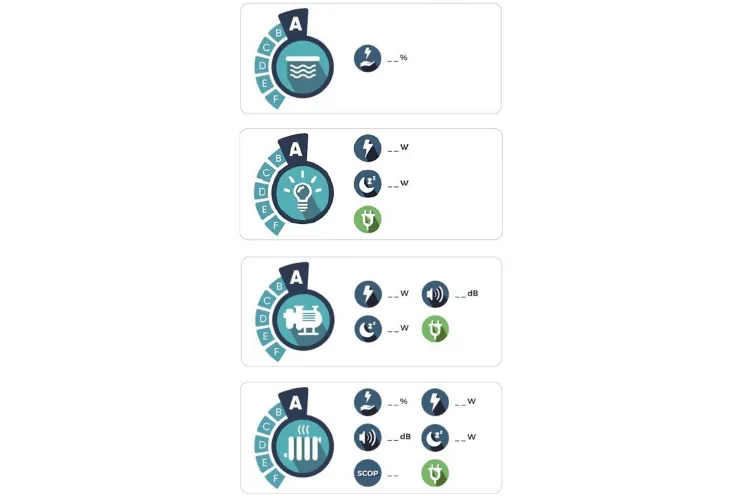
Key aspects of the pool
Several formulas can be used to calculate the energy ratings of a specific installation. These range from A to F and assess various factors that affect a pool’s sustainability and energy efficiency, such as heating, lighting and the pool cover, as well as the water treatment system and filtration pump. “The hydraulic system, for example, is largely dependent on the installer, which is particularly relevant to our members,” says Joeri Dils. “The aim is to minimise pressure losses. Pipe velocity, the number of fittings, the distance between the pool and the pump, and so on all play a part.” Every aspect of the pool has its own rating, allowing different installations to be compared objectively. Manufacturers have a standardised method for indicating the energy class of their products. “This kind of frame of reference is new and adds significant value to our sector,” says the federation’s president.
Energy matters, but it is not the whole story
Energy consumption is, of course, a key aspect of the new standard. However, the new ratings also take other factors into account, such as water consumption and noise from the installation. While noise is less directly related to a pool’s energy performance, it is still a relevant parameter. Pumps ranging from 245 to 2 200 watts were run at full capacity and their noise levels recorded. The standard therefore provides a comprehensive overview of the pool and its operation.
At the end of his presentation, Joeri Dils referred attendees to the full standard, available in English, French and German from the NBN shop for a fee. The Dutch version may take some time to appear. “We want to familiarise our members with the standard so that they can apply it. This shows that we are a proactive, forward-looking sector and further builds consumers’ confidence in our knowledge and expertise,” concludes Joeri Dils.
Question about this story? Ask your question
Companies in this story

Keep following this
Get an email when a new story is published. No account needed.
- ThemeAdvancing the pool industry
- SubjectNews
- CompanyFédération Belge des Professionnels de la Piscine et du Bien-Être