








How a sanitaryware specialist makes sustainability a priority
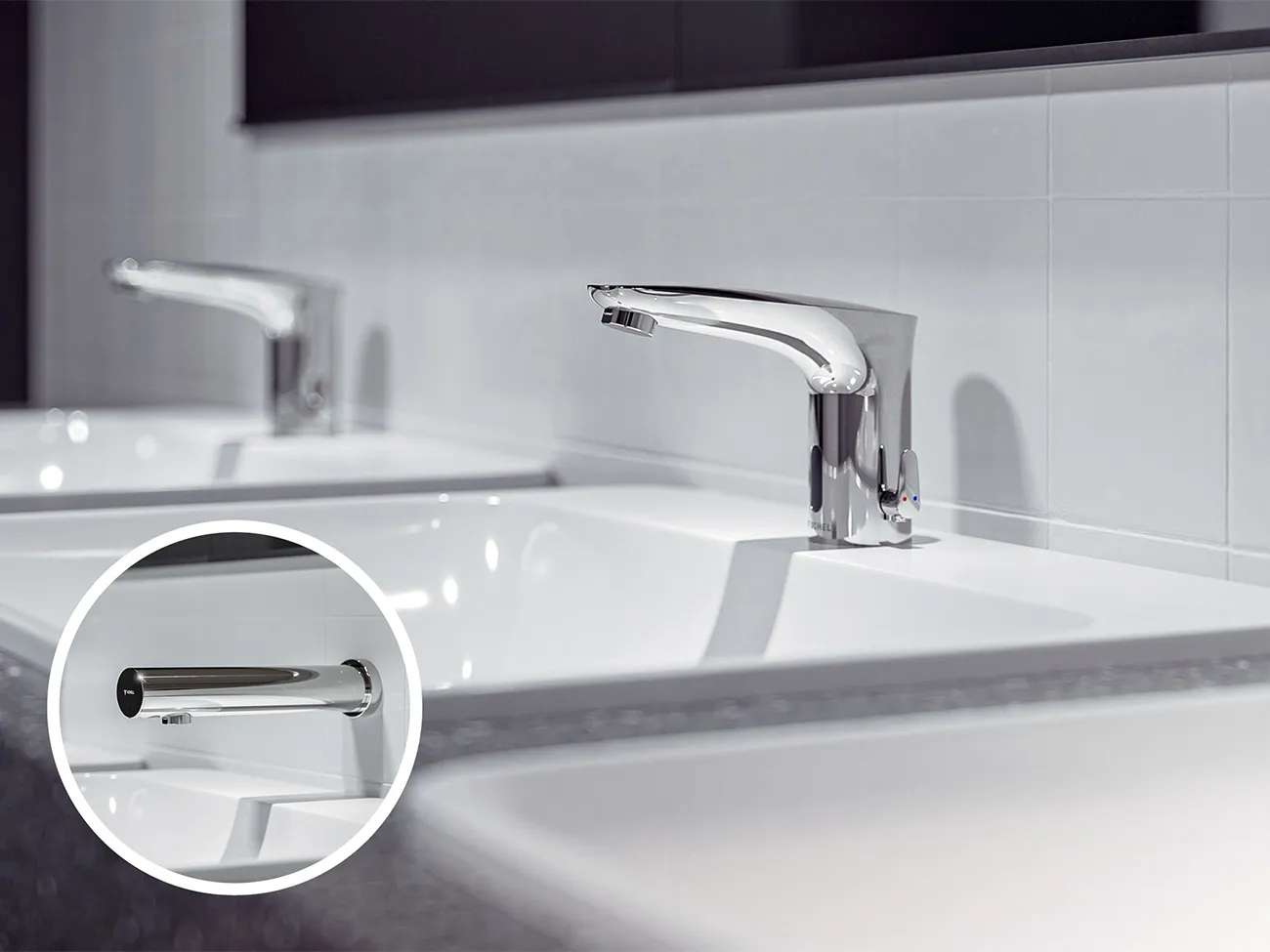
SCHELL Belgium is actively pursuing a sustainability policy at every level of the business, from energy-saving measures in its operations to developing products with a long service life or significant energy and water-saving benefits. The German company has also long taken circularity into account, even before the term began to gain traction in Belgium’s construction sector.
Sustainability is not just a buzzword for SCHELL Belgium, says Dirk Vanden Breede, Managing Director of SCHELL Belgium. “You can no longer ignore it: when we, as a manufacturer, talk to architects, clients or installers, terms such as sustainability and circularity will sooner or later come up. The importance of sustainability labels such as BREEAM and LEED has continued to grow, and rightly so. Sustainability is a broad concept. It must guide every aspect of the business, at every level. It is a way of life that requires the right mindset.”

Not a throwaway company
SCHELL seeks to put sustainability into practice above all in its operational management, from driving hybrid vehicles to monitoring energy and water consumption in the company’s buildings. But it also backs up its words with action when it comes to products. “The guiding principle behind our research and development is that we only want to bring robust, durable products to market. In other words, we are not part of the throwaway society. The proof is that some of our models have been available on the market for twenty years and, apart from the technology inside them, have remained unchanged. Their long service life enables us to make considerable savings in raw materials.”
Circularity is gaining importance in 2022, but Vanden Breede points out that Cradle to Cradle principles have long been part of SCHELL’s corporate philosophy. “The main material used in our taps is brass, which generates no waste during production. After production, used chips and burrs are returned to the brass manufacturer for recycling. We also give installers the option of returning products that have reached the end of their useful life to us for recycling. Brass is an exceptionally durable material that is ideally suited to recycling. Circularity is therefore an important factor in our choice of materials. From the design stage, we choose raw materials that can remain in circulation for as long as possible,” the Managing Director explains.
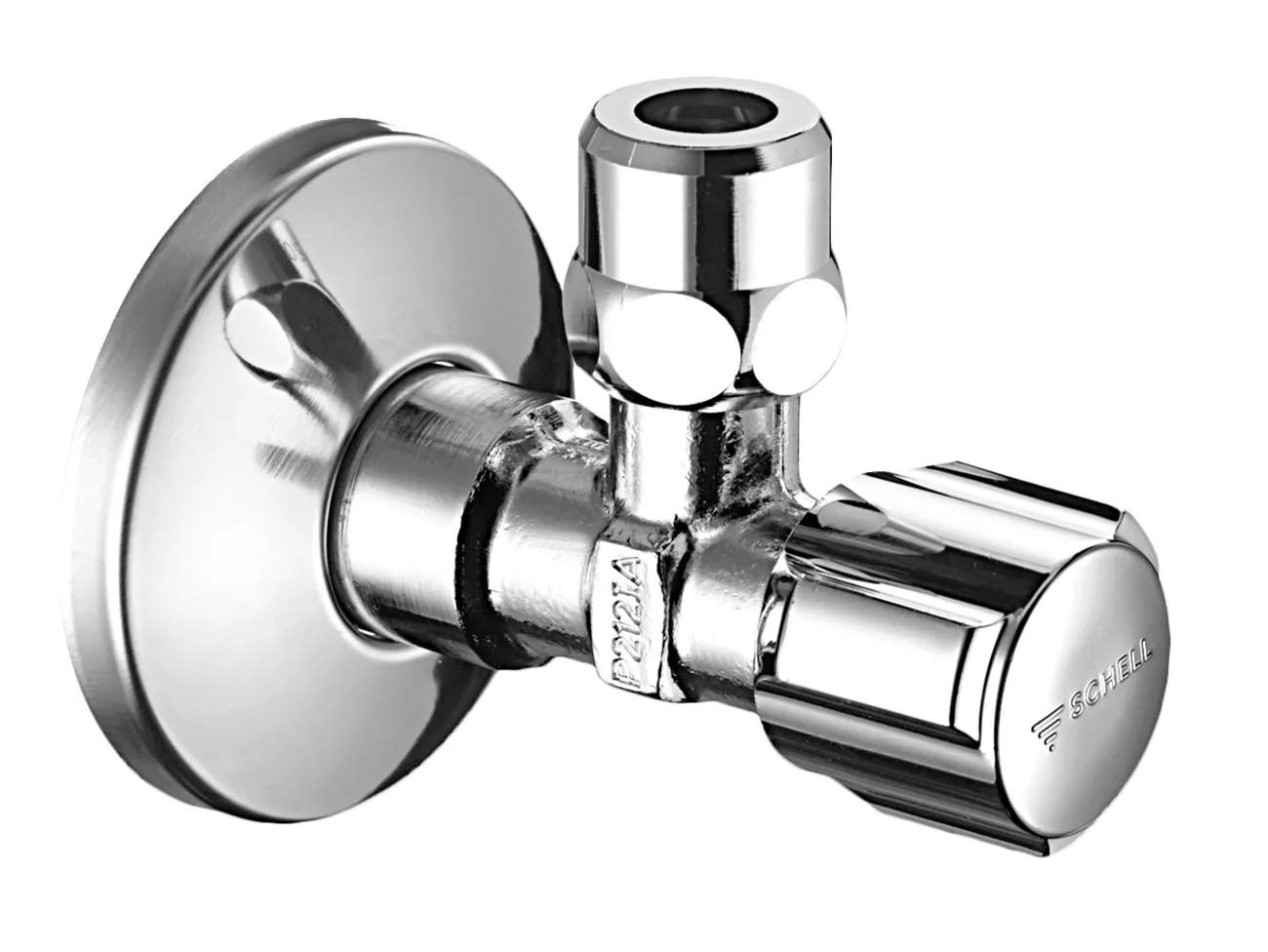
SCHELL has therefore been a sustainability pioneer in the sanitaryware sector for decades. “Our roots are undoubtedly connected to it: SCHELL comes from the Sauerland region of Germany, which is known as ‘the land of a thousand lakes’ for good reason. Nature has therefore long played an important role in the development of our products,” Vanden Breede explains. “Just think of SCHELL’s most iconic product: the angle valve, often found beneath washbasins. Being able to regulate the water flow with the valve can save up to 40% of water. Here too, it is striking that SCHELL was ahead of its time: saving water is becoming increasingly important, especially as our summers become drier and drier, but SCHELL has been addressing this for decades with this valve.”
Balancing sustainability and hygiene
Water conservation is one aspect of sustainability that is becoming increasingly important. Water consumption is now a key consideration, particularly in public buildings. SCHELL also addresses this with its unique SWS Water Management System. “Using this platform, a building manager can map and monitor water consumption in different areas of a building. If you measure it, you know it, and by measuring accurately, you can also take the right steps to reduce consumption,” explains Vanden Breede. “We also factor water conservation into the control of urinals. One example is the so-called stadium function, in which the electronic control allows water to run continuously at a low flow rate, instead of flushing too much water in short bursts each time.”
Sustainability is not the only important issue in the sanitaryware sector. Hygiene is just as important in sanitary installations. At times, it is a balancing act, Vanden Breede acknowledges: “You maintain hygiene in installations by flushing them sufficiently, but that increases consumption. Thermal disinfection against Legionella, which involves heating the water to 70°C, also uses energy. There is no way around it, which makes it particularly important to plan flushing and thermal disinfection as well and as efficiently as possible. That is the only way to try to limit this additional water and energy consumption.”
Question about this story? Ask your question
Keep following this
Get an email when a new story is published. No account needed.
- SubjectNews